
Water Pressure Issues and How to Fix Them
Weak flow from your shower? We'll walk you through the most common causes and the simple fixes you can try before calling for repairs.
Why Your Water Pressure Drops
Low water pressure isn't always a sign of a major problem. It's one of those frustrating issues that can have several different causes — some simple to fix yourself, others that need professional attention. Here's what you need to know.
The thing is, when pressure suddenly drops in just one fixture, you're usually looking at something localized. But when your whole house loses pressure? That points to something else entirely. We've helped dozens of Utrecht homeowners track down what's causing their issues, and most of the time it's fixable without expensive work.
01
Check the Shut-Off Valve First
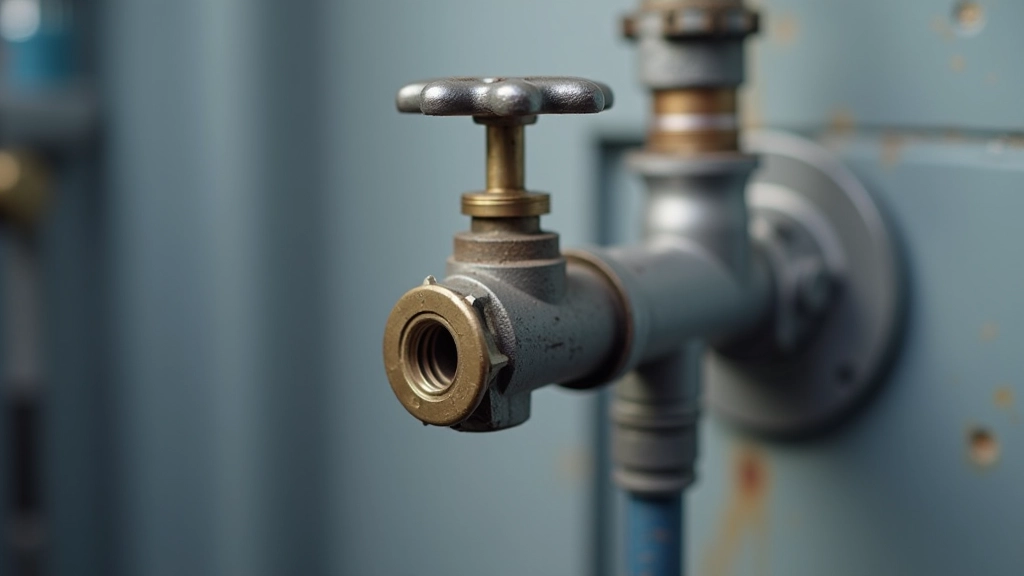
This is the most common cause of low pressure we see. Your main water shut-off valve — the one you'd use in an emergency — can accidentally get partially closed. It's usually located near your water meter or where the main line enters your home.
Here's how to check it: Look for a lever-style valve (it'll be pointing in the same direction as the pipe) or a round knob. If it's only partially open, that's your culprit. You'll want it pointing fully in line with the pipe. Turn it slowly if you're adjusting it — don't force it.
Quick tip: If you find it's already open and you still have low pressure everywhere, take a photo of its position and location. You'll want to show this to a plumber if you need to call one.
02
Clean or Replace Aerators
Educational note: The information in this article is intended to help you understand common water pressure issues. While these are safe steps to try, if pressure issues persist or you're uncomfortable working with plumbing fixtures, it's wise to consult a qualified plumber. Every home's system is different, and what works in one situation may not apply to yours.
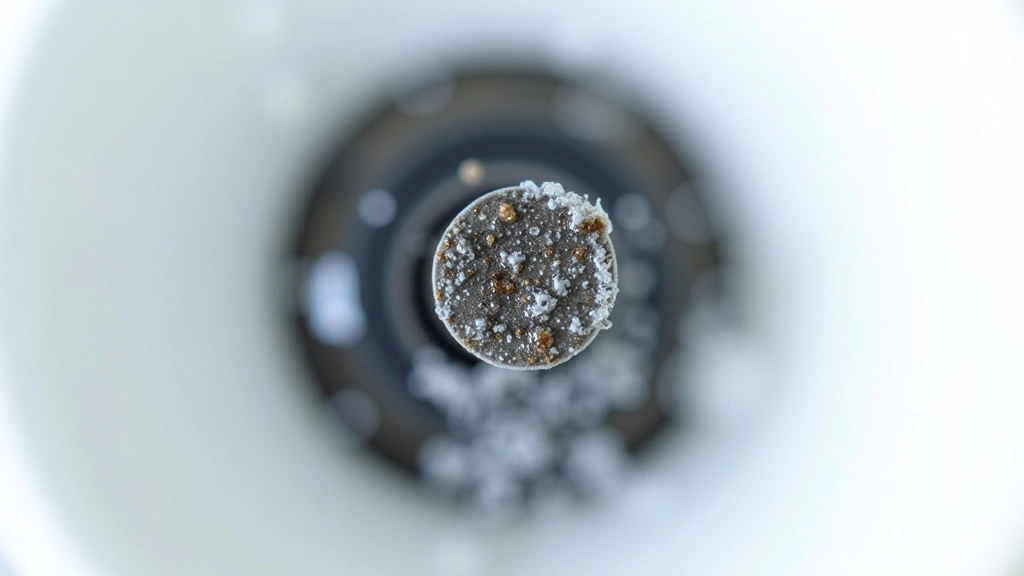
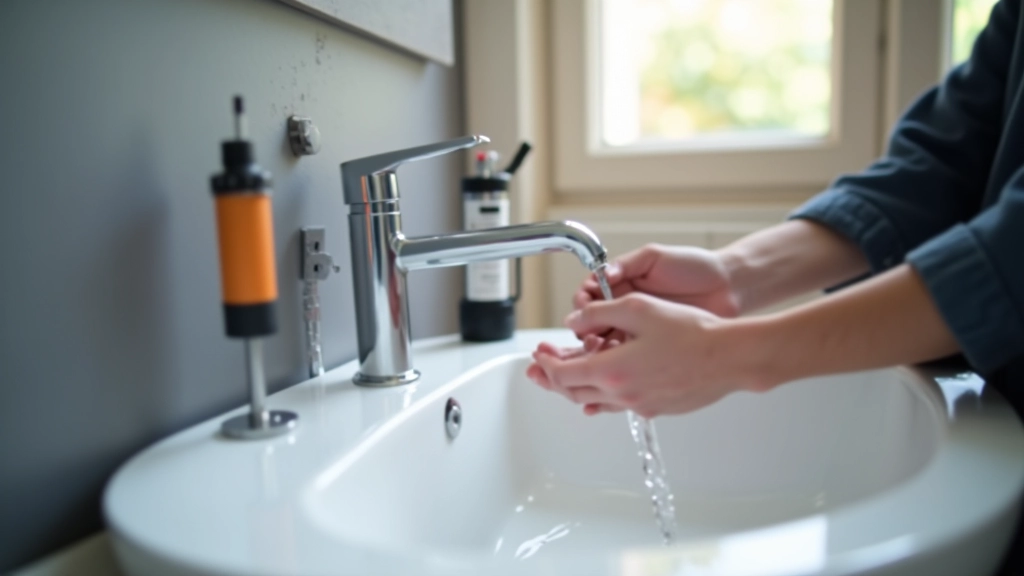
Aerators are those little mesh screens at the tip of your faucet. They mix air into the water stream to save water and reduce splashing. Over time, mineral deposits build up in there — especially if you live in an area with harder water. This creates a clog that restricts flow.
The fix is straightforward. Unscrew the aerator (it'll twist off by hand in most cases), then soak it in white vinegar for 30 minutes to an hour. Use an old toothbrush to scrub away the mineral deposits. If it's too far gone, they're inexpensive to replace — usually €5 to €10 at any hardware store.
- Unscrew aerator counterclockwise
- Soak in vinegar 30-60 minutes
- Scrub gently with soft brush
- Rinse thoroughly before reinstalling
03
Check for Leaks and Pressure Regulator Issues
If low pressure is happening throughout your entire house, you might have a leak somewhere. This could be under your home, in the walls, or even outside. A hidden leak doesn't just reduce pressure — it'll show up on your water bill too. Look for wet spots in your yard, damp patches in your basement, or discolored sections of drywall.
Many homes also have a pressure regulator installed near the main shut-off valve. This device protects your plumbing by reducing incoming water pressure from the street. If it's set too low or failing, you'll notice weak pressure everywhere. You can't really fix this yourself — a plumber will need to adjust or replace it.
40-60 PSI
Normal household water pressure range
04
Troubleshoot One-Fixture Problems
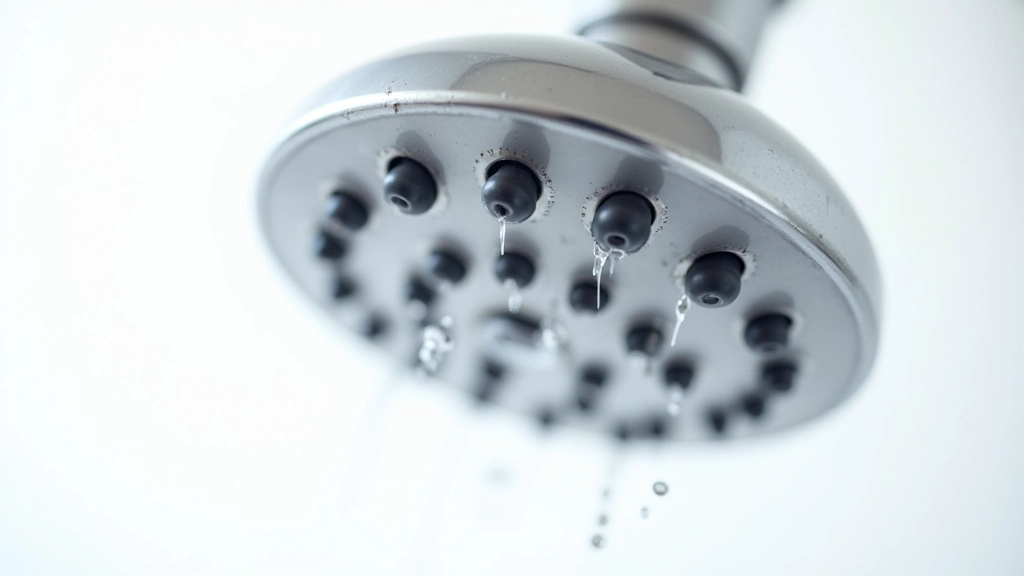
When only your shower or a single sink is low, you're usually dealing with something specific to that fixture. Start with the aerator again — same process as above. If that doesn't help, your showerhead might need the same treatment.
For showers, unscrew the head from the arm and soak it in vinegar overnight. You can also try running hot water through it with a cloth wrapped around the base to create pressure while vinegar dissolves the minerals. After soaking, use a toothpick or small pin to clear any remaining buildup in the spray holes.
If it's your toilet that's refilling slowly, that's usually a fill valve problem. These wear out over time, but they're cheap to replace — around €20-€30 for the part.
When to Call a Professional
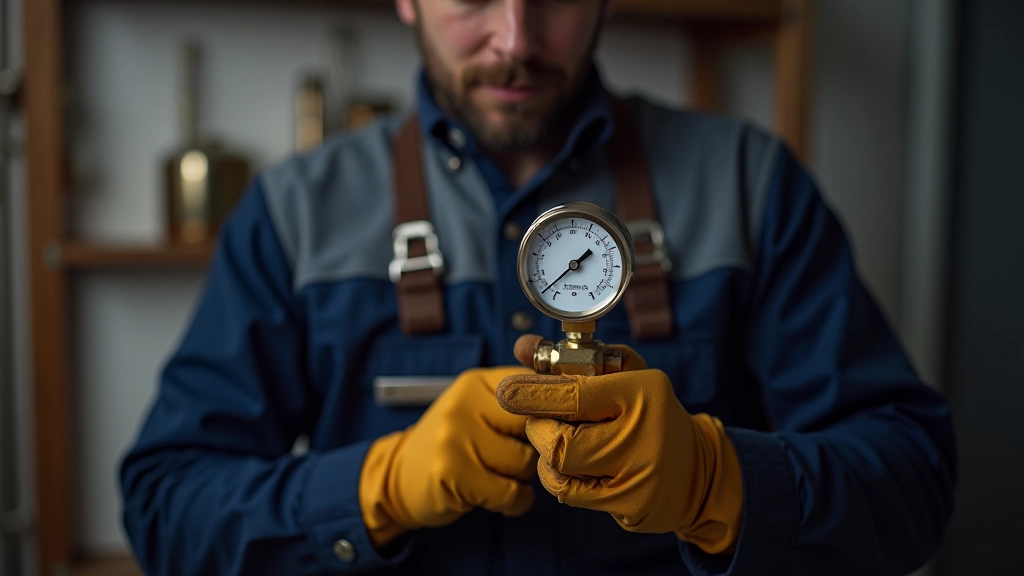
You've tried the basics and pressure is still low? It's time to get a plumber involved. They'll have diagnostic tools like pressure gauges to measure exactly what's happening in your system. If there's a leak, they'll find it. If your pressure regulator needs adjustment, they'll handle it properly.
Don't let low pressure become a permanent problem. Most of these issues get worse over time, and catching them early saves money. In our experience, about 70% of low-pressure complaints we see come from clogged aerators or partially closed valves — things you can actually fix yourself in 10 minutes. But if yours is one of the trickier ones, we're here to help. Give us a message and we'll get you sorted.
Need expert help with your water pressure?
Contact Us for AssessmentRelated Articles