Understanding Your Circuit Breaker Panel
A practical overview of what those switches actually do, how to safely reset a tripped breaker, and when to call an electrician.
Read ArticleLearn to spot warning signs like discoloration, odd noises, and pressure drops. Early detection saves money and prevents water damage to your home.
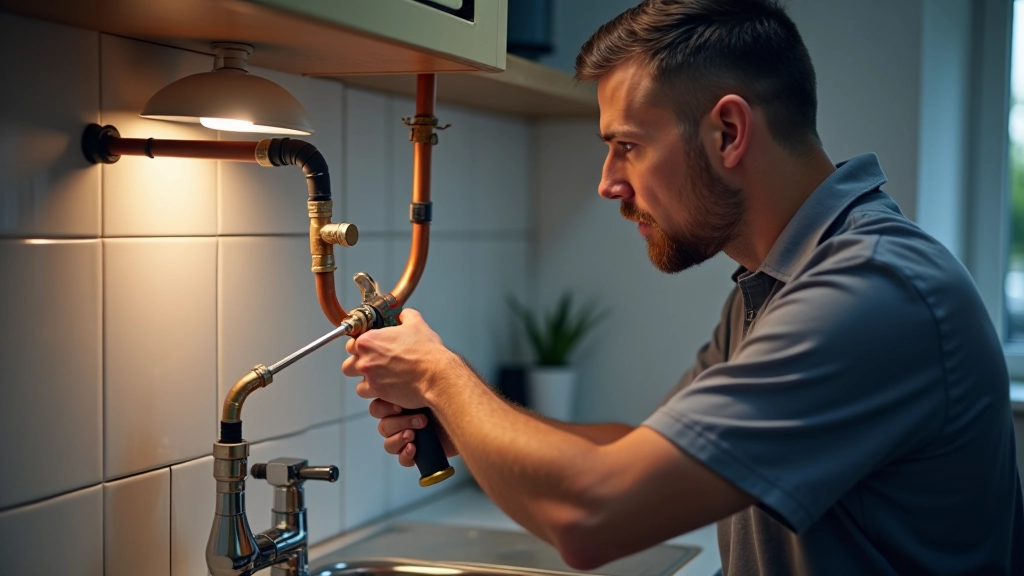
Your home's plumbing system works quietly in the background until something goes wrong. That's when a small problem becomes an expensive emergency. A slow leak that starts in a hidden pipe can cause thousands of euros in water damage before you even notice it's there.
The good news? Most pipe issues send warning signals if you know what to look for. You don't need to be a plumber to catch problems early. We're going to walk you through the signs, the sounds, and the subtle changes that tell you something's not right with your plumbing. Catching these issues early can save you money and protect your home from serious damage.
Early action prevents expensive cascading problems.
Sometimes the problem's right in front of you. Visible damage is your pipes literally asking for help. Look for these specific signs during your normal kitchen and bathroom routines.
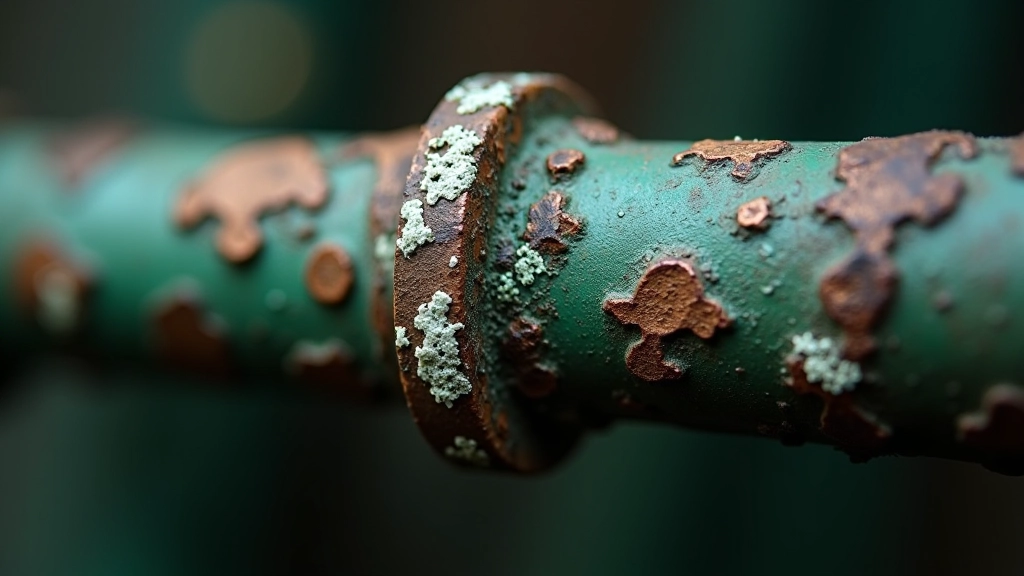
Discoloration is one of the biggest clues. If you're seeing brown, yellow, or reddish stains around pipes, that's rust or mineral buildup talking. It means corrosion is happening inside, even if the damage isn't severe yet. Water stains on ceilings or walls below bathrooms? That's a leak happening right now. Don't ignore it thinking it'll go away on its own — it won't.
White crusty buildup around joints and connections is mineral deposit accumulation, usually from hard water. While this seems harmless, it indicates pressure stress on those joints. The deposits mean mineral-heavy water is forcing its way through, and that stress compounds over time.
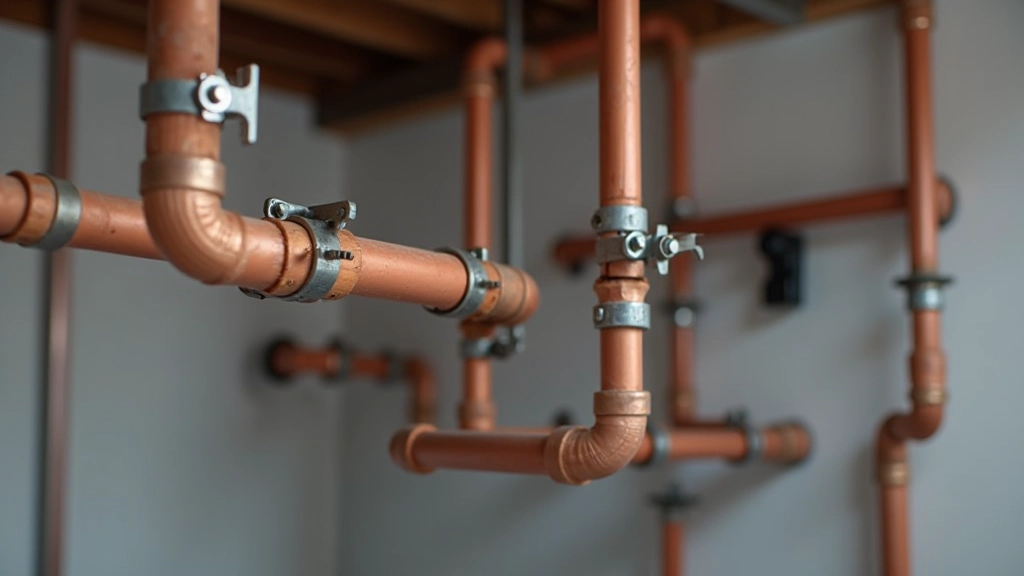
Your pipes are trying to talk to you through sound. A healthy plumbing system is nearly silent. When you start hearing noises, it's because something's wrong. Pay attention to when you hear them — that timing tells you a lot.
Banging or hammering sounds when you turn off a faucet? That's water hammer. It happens when fast-moving water suddenly stops and creates pressure shock waves in the pipes. It's not just annoying — it's stressing your pipe joints and can eventually lead to cracks or leaks. The longer you ignore it, the higher the risk of damage.
Hissing or spraying sounds from behind walls suggest a small leak is happening. If you hear this, check your water meter. Turn off all water in your home, wait 30 minutes without using water, then check the meter again. If it's moved, you've got a hidden leak that needs professional attention immediately.
Creaking or crackling noises as pipes expand and contract with temperature changes are usually normal. But loud cracking sounds or repeated popping — especially from hot water pipes — can indicate sediment buildup in your water heater or pressure problems in your system.
This guide helps you recognize warning signs and understand what's happening in your plumbing system. However, actual diagnosis and repair should always be performed by a qualified plumber. Hidden pipe problems can be complex, and DIY repairs often create bigger issues. If you notice any of the signs described here, contact a certified plumber for proper assessment.
Water pressure is like your plumbing system's vital signs. Sudden changes — especially drops — signal that something's changed inside your pipes. You'll notice this at faucets, showerheads, or when multiple fixtures are running simultaneously.
Gradual pressure loss across your entire home usually means mineral buildup is restricting water flow. This is especially common in older homes or areas with hard water. It happens slowly, so you might not notice day-to-day, but over weeks you'll realize your shower isn't as strong as it used to be.
Pressure loss in just one area of your home? That's more serious. It suggests a leak is happening in that section of pipes. When water leaks out, less pressure reaches the fixture. The longer that leak continues, the more water you're losing and the higher your bills climb.
Intermittent pressure changes — where pressure is fine one moment then drops the next — can indicate sediment particles loosening inside pipes or partial blockages forming. It's your system's way of telling you that maintenance is overdue.
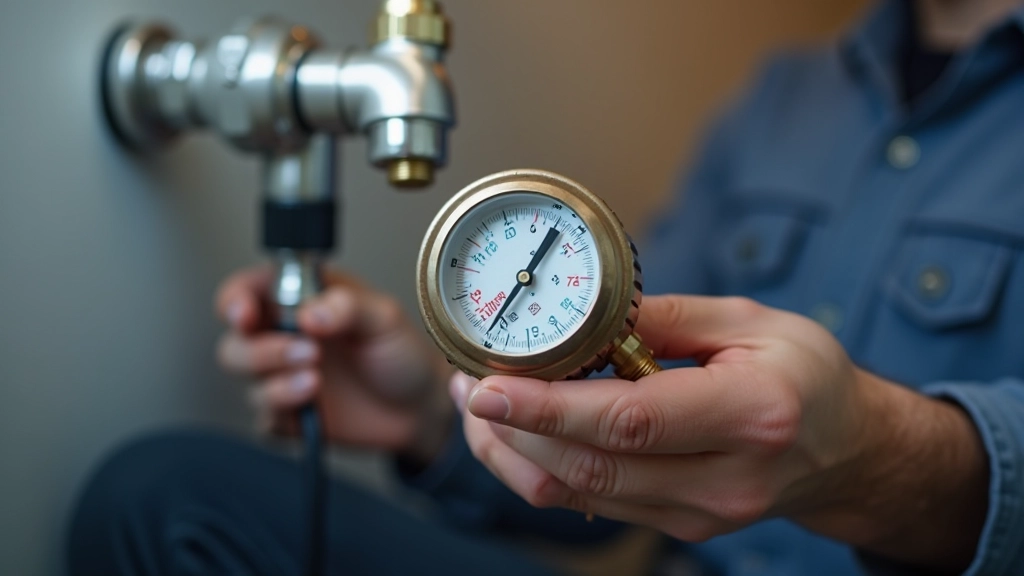
Found a warning sign? Don't panic, but don't wait either. Here's your action plan for the next few hours.
First, document what you're seeing. Take photos of discoloration, water stains, or mineral deposits. Note the exact sounds you're hearing and when they occur. Write down any pressure changes you've noticed. This information helps a plumber diagnose the issue faster and more accurately.
Check your water meter to establish a baseline. Most homes have a meter either at the street or in a basement. Write down the number and time. Then check again after 2 hours without using any water. If the meter moved, you've got an active leak.
Call a plumber for a professional inspection. It's worth the diagnostic fee — usually €75-150 — compared to the thousands you could spend on water damage repair. A plumber can use specialized equipment to locate leaks behind walls and under floors that you can't see.
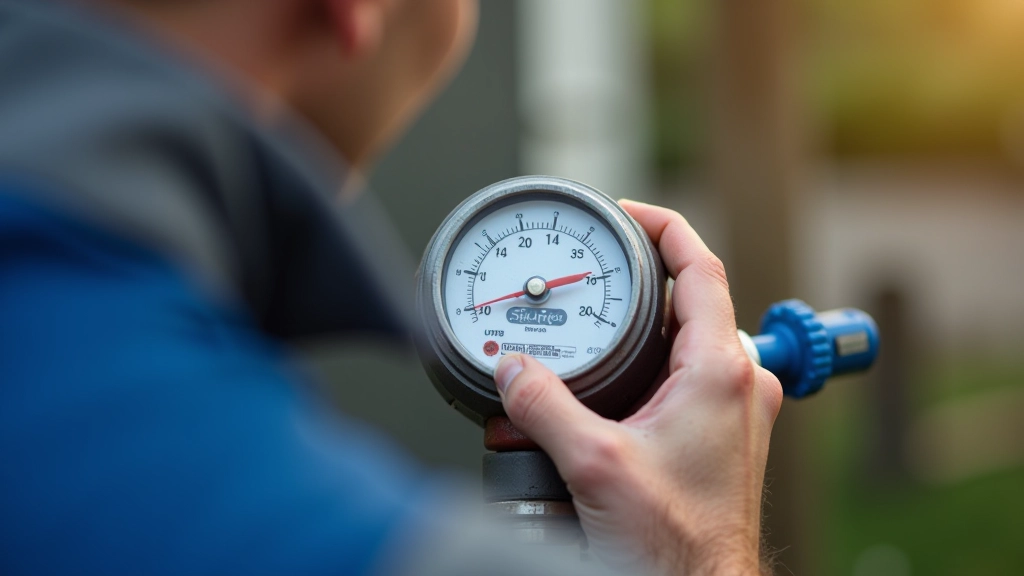
Your plumbing system communicates problems through visible signs, sounds, and pressure changes. You've got the knowledge now to recognize what's normal and what needs attention. The difference between a €200 repair and a €5,000 emergency often comes down to catching the problem early.
Spend a few minutes each month checking visible pipes in your basement, under sinks, and around water heaters. Listen for unusual sounds. Notice if your water pressure has changed. These small actions take almost no time but can save your home from serious damage.
When you do spot something wrong, trust your instinct. Call a professional plumber. It's the single best investment you can make in protecting your home's plumbing infrastructure.