Regular Maintenance Tasks That Prevent Major Problems
A seasonal checklist for both plumbing and electrical systems. Simple inspections and preventative steps keep your home running smoothly and safely year-round without expensive emergency repairs.
A seasonal checklist for both plumbing and electrical systems. Simple inspections and preventative steps keep your home running smoothly and safely year-round without expensive emergency repairs.
Thing is, most homeowners don't think about their plumbing and electrical systems until something breaks. By then, you're looking at emergency calls, high repair costs, and potential safety hazards. It doesn't have to be that way. A little preventative work goes a long way.
We're not talking about complicated tasks here. You don't need special tools or certifications. What you need is a simple routine—checking a few things each season, keeping an eye out for warning signs, and calling in the professionals when something's beyond your scope. That's it. This guide walks you through exactly what to do.
Spring's when you want to focus on your water systems. Winter can be rough on pipes—freezing temperatures cause expansion and contraction, and that stress shows up as leaks when things warm up.
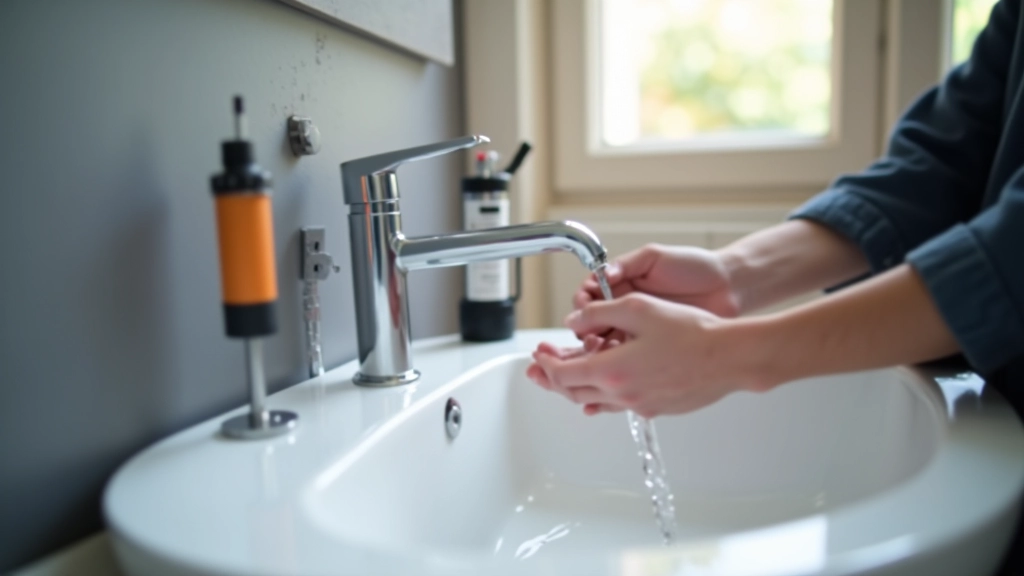
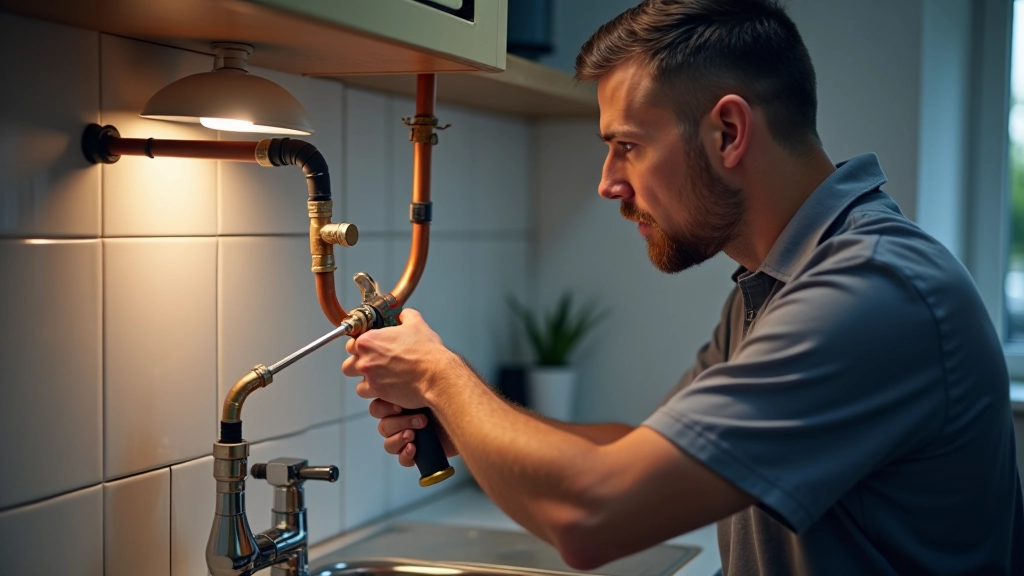
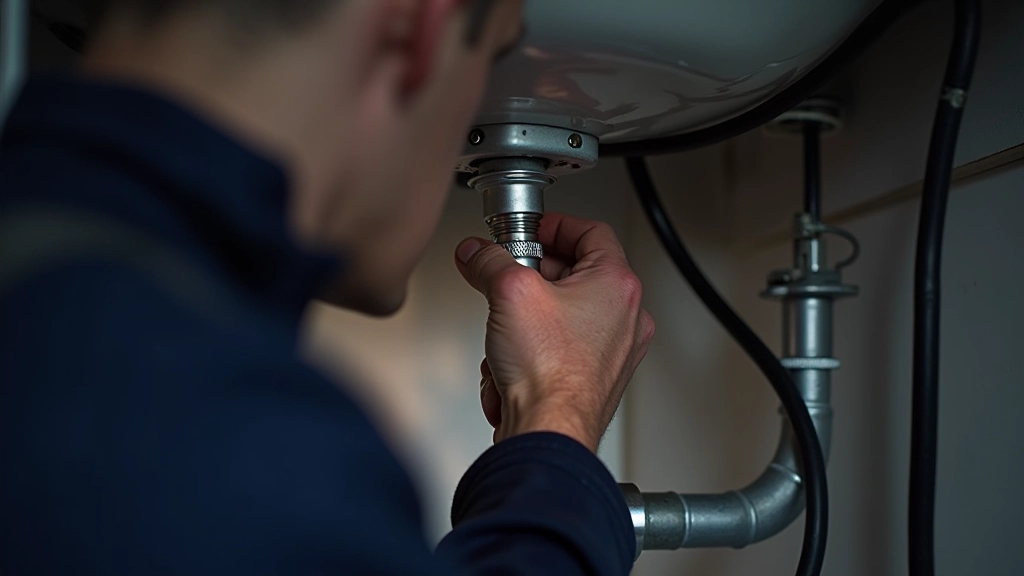
Start by checking under sinks in your kitchen and bathrooms. Look for any moisture, drips, or discoloration on the pipes. Don't ignore even small puddles. Open the cabinet doors and leave them open for a bit—sometimes moisture hides there. Check your water heater too. You'll find it in your basement or utility closet. Look for rust spots or water pooling underneath. If it's been 5+ years since the last flush, now's the time to drain sediment from the tank.
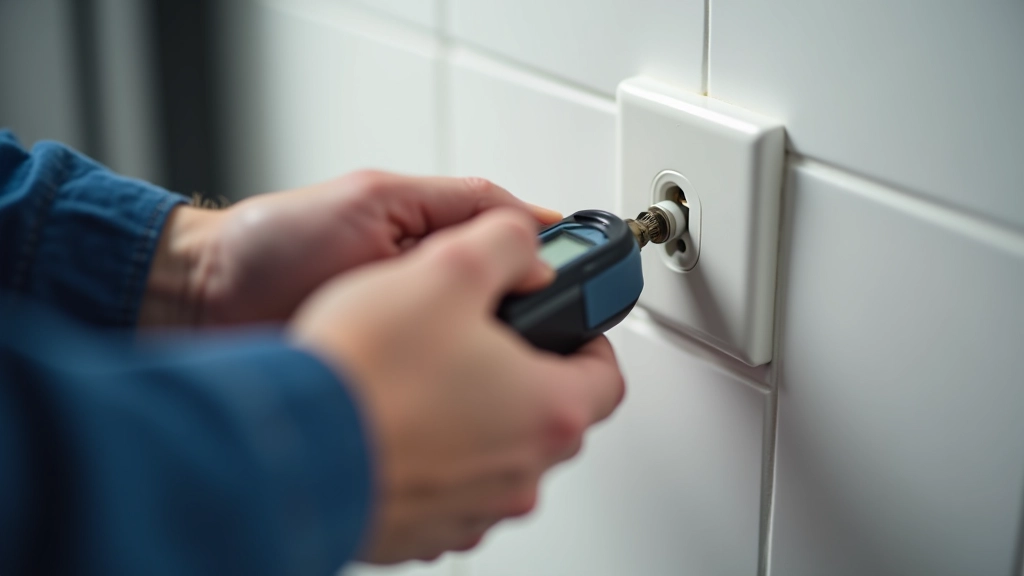
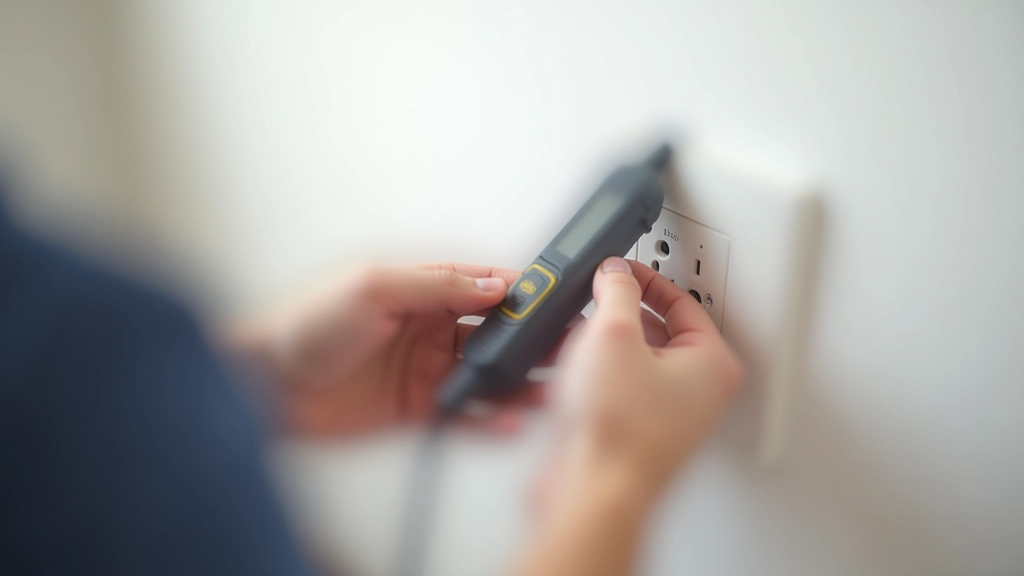
Summer's when you'll want to focus on electrical safety. This is especially important in bathrooms and kitchens where water exposure is high. GFCI outlets—those outlets with the little buttons in the center—protect you from electrical shock. You'll find them near water sources.
Press the "Test" button on every GFCI outlet. The outlet should cut power. Then press "Reset" to restore it. If any outlet doesn't respond, it's time to replace it. Don't put this off. Also, walk around your home and check for any outlets that feel warm to the touch, or cords that are frayed or damaged. These are fire hazards and need immediate attention.
This guide is educational and informational only. While these maintenance tasks are generally safe for homeowners, electrical work can be dangerous if you're unfamiliar with it. If you discover any serious issues—especially electrical problems—contact a certified electrician. For plumbing concerns beyond visual inspection, consult a licensed plumber. Safety always comes first.
Fall's about getting ready for winter. Cold weather is coming, and that means water can freeze in pipes. You'll want to clear all your drains and make sure water can flow freely. Slow drains aren't just inconvenient—they can indicate buildup that'll cause serious blockages later.
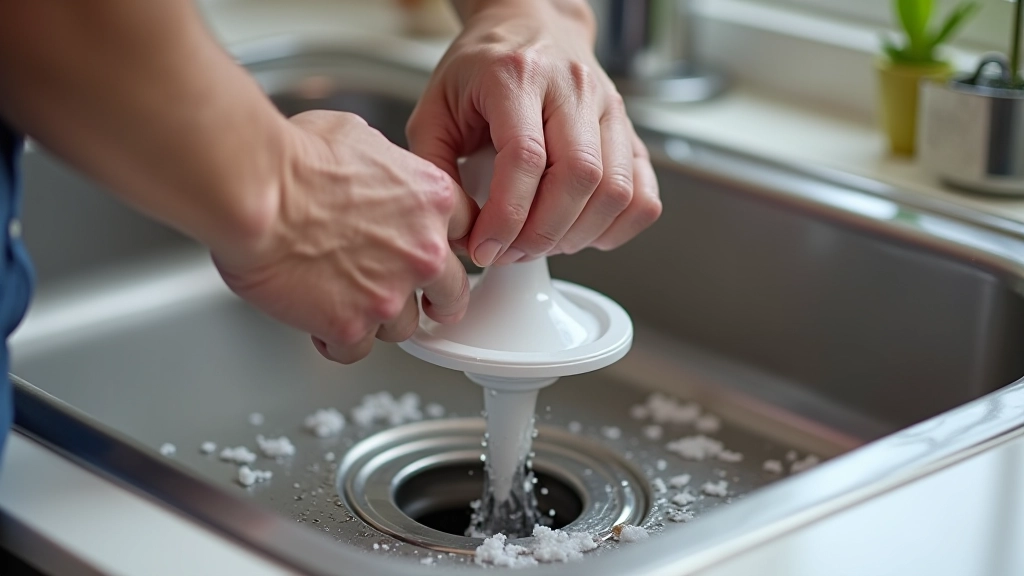
Use a drain snake or plunger on slow drains. Don't rely on chemical drain cleaners—they're harsh and can damage pipes. For your heating system, change the furnace filter if you have forced-air heating. A clogged filter makes your system work harder and wastes energy. If you have a boiler, make sure the thermostat's working properly and set it to a comfortable temperature. You're aiming for around 68-72°F.
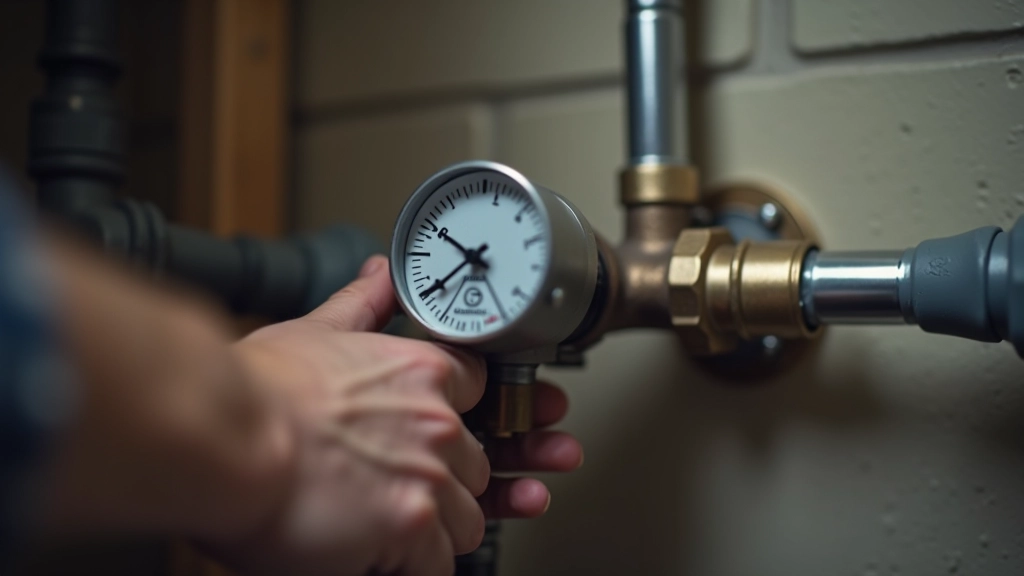
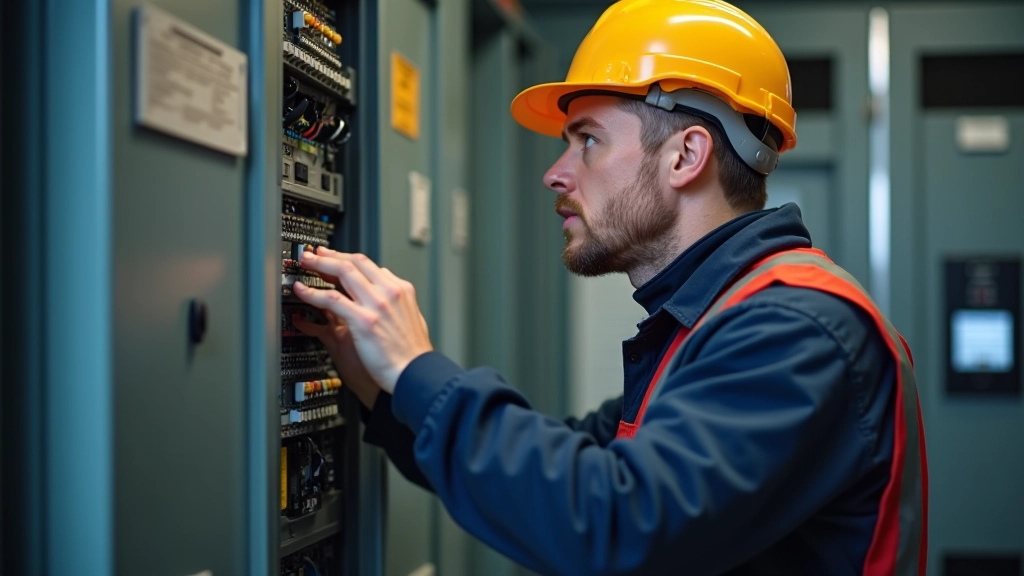
Winter's the critical season. Freezing temperatures can burst pipes, and heating systems work overtime. Know where your water shut-off valve is located. In an emergency, you need to turn off water quickly. Usually it's in the basement near where the main line enters your home, or outside near the foundation. Label it clearly so anyone in your household can find it.
Keep an eye on your heating system. If you're using a space heater for extra warmth, keep it away from flammable materials—at least 3 feet clear. Don't use the oven or stove to heat your home. Check your smoke and carbon monoxide detectors now. Replace batteries if needed. These devices save lives, especially when heating systems run continuously.
These aren't complicated tasks, and they don't take much time. Spend 15 minutes each season doing these checks, and you'll catch problems early. Early detection means lower costs. You'll avoid those 2 AM emergency calls where a pipe bursts and floods your basement, or an electrical issue causes a fire risk.
More importantly, you'll sleep better knowing your home is safe. Your family's protected. Your systems are running efficiently, which means lower utility bills. And your home's lifespan increases significantly—we're talking an extra 10-20 years of trouble-free operation for major systems.
Don't wait until something breaks. Start with this checklist. Print it out if you want. Check off the items each season. When you find something that needs professional attention, that's what certified plumbers and electricians are for. That's when you call in the experts. But you'll be calling them for specific problems, not emergencies. That makes all the difference.
Need help with something you've discovered? Our specialists are ready to assist.
Get in Touch