Understanding Your Circuit Breaker Panel
A practical overview of what those switches actually do, how to safely reset a tripped breaker, and when electrical issues need professional help.
Published May 2026
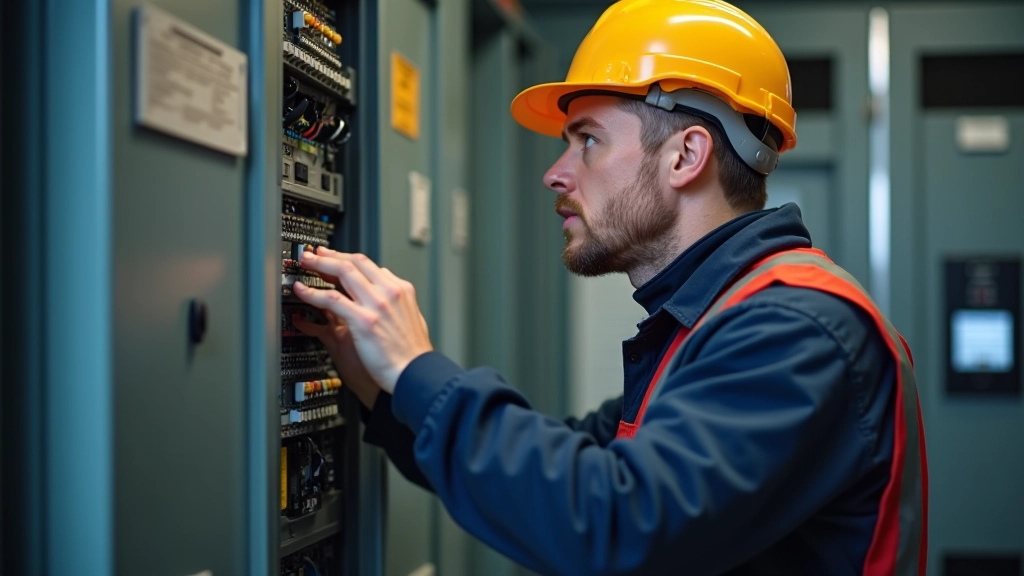
What's Behind That Metal Door?
Most homeowners don't think about their circuit breaker panel until something goes wrong. Then you're standing in the basement or utility closet, staring at a bunch of switches and wondering which one controls what. It's not complicated once you understand the basics — and it's definitely something you should know about your own home.
Your circuit breaker panel is the heart of your home's electrical system. Every light switch, outlet, and appliance draws power through circuits protected by breakers. When you overload a circuit, the breaker trips and cuts the power to prevent damage or fire. It's actually a pretty clever safety system that works invisibly until it doesn't.
Here's what you'll learn in this guide: how to identify what each breaker controls, why they trip, what you can safely do yourself, and when you definitely need to call a professional.
01
The Basic Components
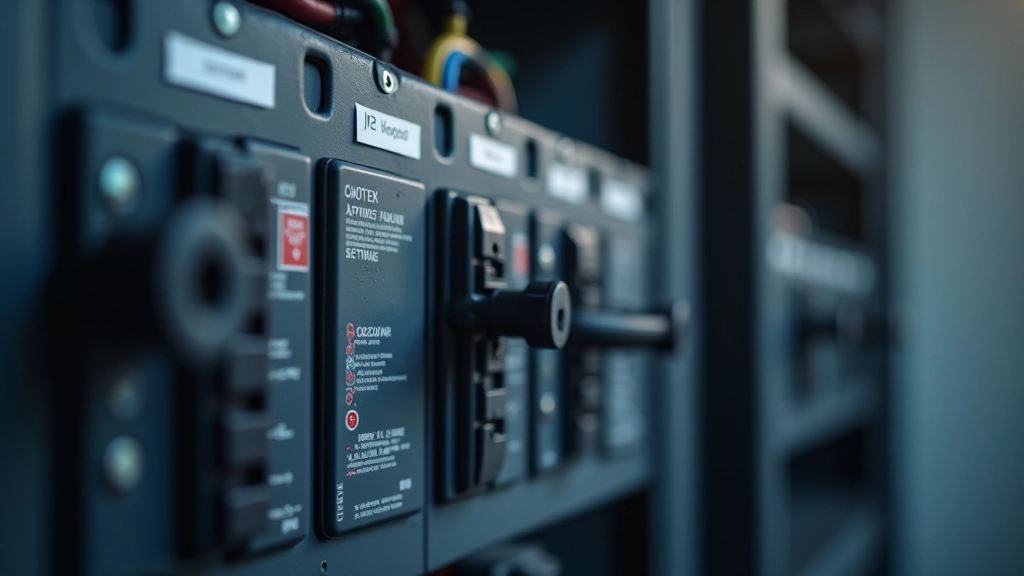
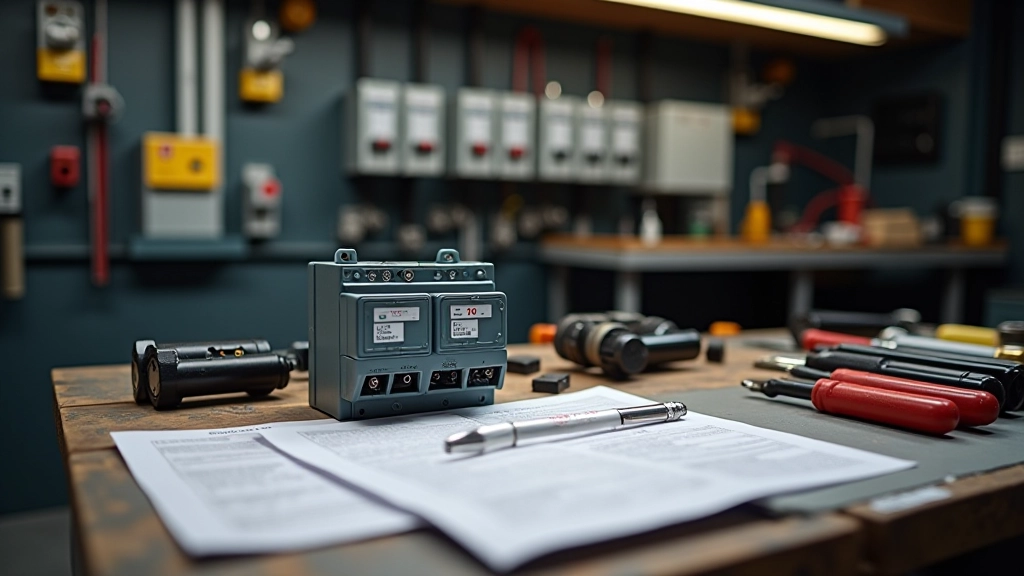
Your breaker panel contains several key parts. The main breaker is the big switch that controls all power entering your home — usually rated 100, 150, or 200 amps. Below that are individual breakers, typically 15 or 20 amps each, protecting different circuits throughout the house.
Each breaker is connected to one or more circuits. A 15-amp breaker usually handles light switches and outlets in bedrooms. A 20-amp breaker typically covers kitchen outlets and bathrooms where you're more likely to use power-hungry devices. Larger appliances like dryers, ovens, and water heaters get their own dedicated 30, 40, or 50-amp breakers.
You'll notice the switches have an "on" position and an "off" position. When everything's normal, they stay put. When a circuit trips, the breaker physically moves to a middle position — somewhere between on and off. That's your visual clue that something overloaded the circuit.
02
Why Breakers Trip
A tripped breaker isn't a failure — it's actually working exactly as it should. It trips when too much current flows through a circuit, which typically happens in two scenarios.
Overloading is the most common reason. You're running too many devices on one circuit at once. Plug in a space heater in a bedroom where you've already got lamps, a TV, and a computer going? That circuit can't handle it. The breaker trips to prevent the wires from overheating, which could cause a fire. This isn't a serious problem — just unplug something and reset the breaker.
A short circuit is different and more serious. This happens when a live wire accidentally touches a neutral wire or ground, creating a direct path for electricity. You might see sparks, smell burning, or hear a loud pop. Don't repeatedly try to reset a breaker that keeps tripping immediately. That's a sign of an actual electrical fault that needs professional inspection.
Safety Reminder
This guide provides educational information about how circuit breaker panels work. Resetting a tripped breaker is generally safe, but if a breaker trips repeatedly, if you smell burning or see sparks, or if you're uncomfortable working near your electrical panel, contact a licensed electrician. Don't attempt repairs inside the panel itself — the components inside carry live electricity and can be dangerous.
03
How to Safely Reset a Breaker
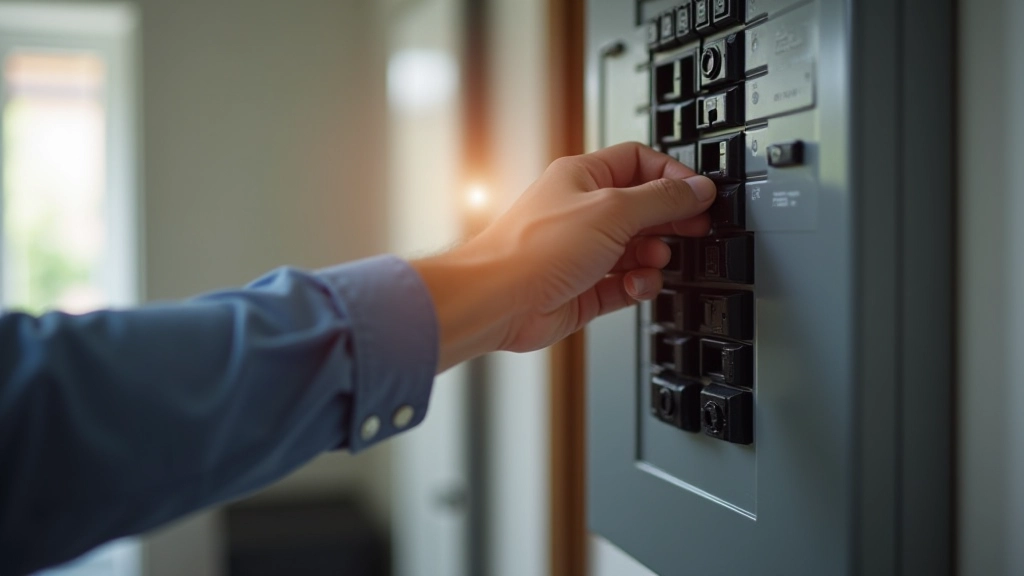
Resetting a tripped breaker is straightforward. First, identify which breaker has tripped — it'll be in that middle position, not fully on or off. Look at the label to see what circuit it controls. Most panels have the circuits labeled, but if yours isn't, you might need to test each one to figure out what's on that circuit.
Before you reset anything, unplug or turn off whatever you think caused the overload. If you had a space heater running, unplug it. If you were using several appliances in the kitchen, turn one off. You don't want the same overload to happen again the moment you flip the breaker back on.
Now flip the tripped breaker all the way to "off" first, then back to "on." You'll usually feel it click into place. That's it. Power should be restored to that circuit. If it trips again immediately without anything plugged in, you've got an actual electrical problem — that's when you call a professional.
04

When to Call an Electrician
Know your limits. You can safely reset a breaker that's tripped once. You can also look inside your panel to identify which breaker controls which circuit — that's just reading labels. But there's plenty you shouldn't try yourself.
Call a professional if: a breaker trips repeatedly even with nothing plugged into that circuit; you smell burning or see scorch marks near breakers; sparks come from the panel; you notice buzzing sounds; the main breaker trips frequently; you want to add new circuits; or you're uncomfortable doing anything with the panel. Also, if you're experiencing electrical problems in one room but the breaker isn't tripping, that suggests a deeper issue that needs investigation.
A licensed electrician can diagnose why circuits are failing, repair short circuits, upgrade your panel if needed, and handle any work inside the panel itself. It's worth the cost for safety and peace of mind. Electrical problems can cause fires — don't guess if you're unsure.
Know Your Panel, Stay Safe
Your circuit breaker panel is one of the most important safety systems in your home, and understanding how it works takes the mystery out of electrical problems. You don't need to be an electrician to know what each switch does or to safely reset a breaker when it trips from overloading.
Take an afternoon to locate your panel, photograph the labels, and write down which circuits control which areas of your home. Keep that information somewhere accessible. Then, if something trips, you'll know exactly what you're looking at and whether it's something you can handle or something that needs a professional.
If you're experiencing ongoing electrical issues or want a professional assessment of your panel, that's what licensed electricians are for. They can spot problems you'd miss and make sure your home's electrical system is safe for years to come.